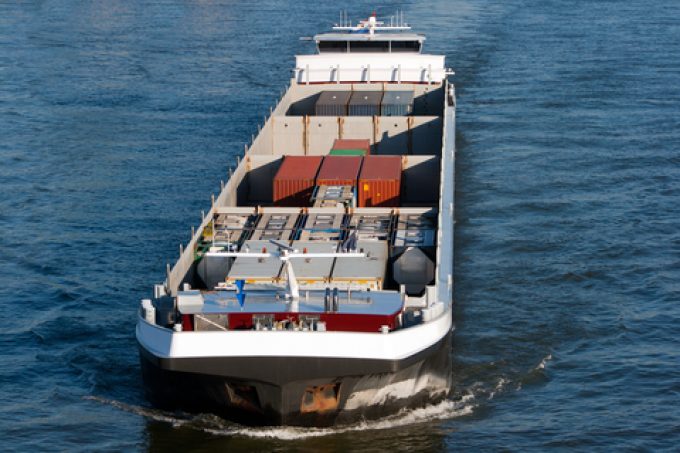
Рейнская баржа. Фото: © VanderWolfImages Dreamstime.com.
Из-за наплыва сверхкрупных контейнеровозов, прибывающих в порты, внутренние водные пути Европы теперь сталкиваются с повышением температуры, которое приводит к снижению уровня воды и задержкам для тех, кто хочет использовать баржи.
Текущий уровень воды на измерительном пункте Кауб на Рейне составляет 110 см, прогнозируется снижение уровня воды до 100 см на этой неделе – в 2023 году падение уровня ниже 150 см побудило операторов ввести надбавки за низкий уровень воды.
В прошлом году компания Contargo, оператор барж, взимала дополнительную плату в размере 75 евро за TEU/90 евро за FEU при уровне воды 101 см, но в этом году пока ничего не объявила.
Рейн разделен на четыре участка по ширине колеи: Дуйсбург, Эммерих, Кауб и Кёльн. Пропускная способность каждого участка может различаться: на участке Кауб колея не превышает 81 см, а на участке Дуйсбург, где перевозчики обязаны осуществлять перевозки, колея не превышает 181 см.
Источники внутри страны сообщили... Лодстар В последние годы имидж внутренних водных путей Европы как альтернативы железным и автомобильным дорогам сильно пострадал: низкое качество обслуживания, постоянные заторы и увеличение надбавок заставляют грузоотправителей усомниться в их целесообразности.
Как сообщил один источник, отчасти проблема заключается в появлении более крупных контейнеровозов. Лодстар Это использовалось для того, чтобы замаскировать тот факт, что операторы барж предлагали “далеко неэффективный вариант”, когда множество барж перемещались с недостаточным использованием.
Источник сообщил, что все заинтересованные стороны признают, что перегруженность внутренних терминалов, примыкающих к глубоководным портам, является эндемической проблемой, но они не желают сотрудничать для решения этой проблемы – одним из предложений было бы совместное использование пространства и сокращение количества судов на воде.
После резкого скачка, превышающего четырехдневный показатель в марте, заторы в аэропортах Антверпена и Роттердама, похоже, снова снижаются, но последние данные Contargo показывают, что время ожидания обработки заказа составляет 51 час в Антверпене и 86 часов в Роттердаме.
В своем сообщении оператор баржи отметил: “В связи с обработкой нескольких глубоководных судов наблюдается значительная нехватка причальных мест. В отдельных случаях возможна переадресация на альтернативные причалы».
“Однако из-за нехватки персонала следует ожидать и значительных задержек. В целом, эта ситуация приводит к увеличению времени обработки грузов на внутренних водных путях, что негативно сказывается на нашей работе”.”