© Pakinai Aksornkaew
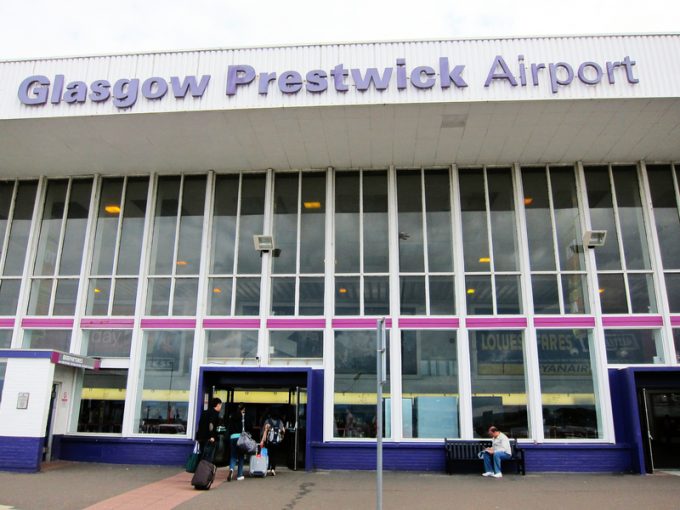
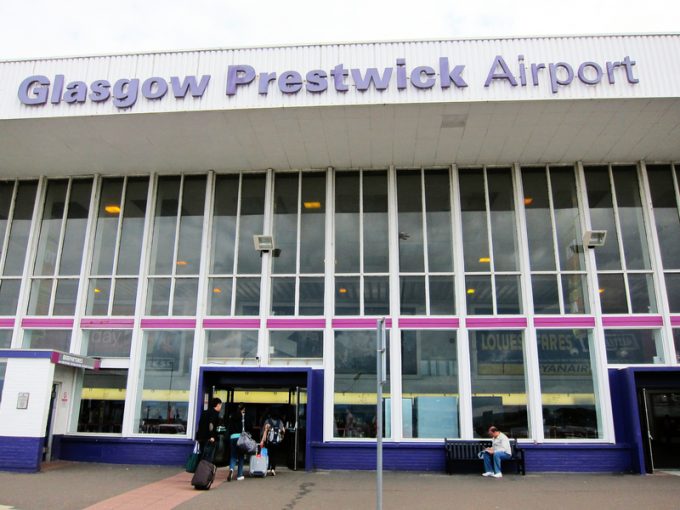
Having “huge” real estate has left Glasgow Prestwick Airport fortuitously positioned, following the EU termination of its de minimis exemption for low-value imports and UK planning a similar move.
Since 1 July, EU-destined parcels valued at less than €150 are subject to a per category duty of €3 after the bloc’s removal of the exemption that had allowed surging volumes of cheap Chinese exports – topping 5.8m individual parcels – to enter the market unchecked.
Business development director for Glasgow Prestwick Nico Le Roux told 载星: “The first thing we’ll see is the platforms – Shein, Temu, etc – shift their promotional activity towards the UK, just as they did with the US and Canada when the US ended its de minimis.
“In Europe, we will then see a shift from the B2C model the platforms had been using, towards a B2B model, with a focus on the bigger airports that have the fulfilment centres capable of handling these volumes.”
The shift towards B2B necessitates the use of fulfilment centres as they offer the necessary space to break down bulk shipments for final-mile delivery and also streamline the customs entry process.
For some of the regional gateways that were central to the ecommerce boom, the prospective loss of volumes to central hubs with better fulfilment facilities poses a potential existential nightmare, but for Mr Le Roux, de minimis termination does not spell the end.
“Glasgow Prestwick has huge amount of real estate, which leaves it sitting in a very fortunate position, as it means we are able to put up fulfilment centres where many of the other smaller regional gateways are unable to,” he explained.
“Those with land restrictions could set up fulfilment centres offsite, of course, but this slows everything down and makes them far less attractive. We are helped by a government that has been supportive, and are working very closely on this front.”
Based around a per-category model, a package containing multiple t-shirts, as an example, would be subject to a €3 fee, but those containing three items, say a mix of t-shirts, socks, and gloves, would be subject to a €9 fee – and a handling fee, expected to be €2, is due to take effect in September.
Both the €3 and €2 – if it takes effect – will remain in place for a two-year period while the bloc negotiates a new unified customs regime to more effectively contend with the rise of platform consumerism brought on by a Covid-induced spike in ecommerce sales.
As for the situation in the UK, it too has trumpeted plans to end its duty-free exemption for low-value imports, but the timeframe for this remains up in the air, with a consultation process yet to conclude and confirm, firstly, if it is happening, and secondly, what it would look like.
Mr Le Roux said: “I there is a good possibility that the UK will end its de minimis policy. Not only would it generate huge revenue, but looking at the country’s political atmosphere, it seems there is a definite desire to move closer back to Europe.”
Short-term, Mr Le Roux said, he expected the impact of de minimis termination to be largely the same wherever it happened, with a “massive drop in volumes at first”, as supply chains are rearranged, before a marked spike back to around 75% of where volumes had been.
This article is © The Loadstar. Reproduction, rewriting, or derivative use requires a license. Contact [email protected] for licensing enquiries.