
Hapag-Lloyd has suspended bookings into Jeddah, amid surging congestion brought on by a shift to Gulf land bridge routings, with forwarders telling 载星 that 5km truck queues to the port have developed.
Seen as something of a regional saviour, demand for land bridge connections has not fallen away despite the agreement reached between Iran and the US and Israel to suspend hostilities and negotiate a way out of the war that erupted in February.
That demand has seen yard congestion at Jeddah hit 90% density, prompting a 20%-25% drop in productivity and Hapag-Lloyd to inform customers its “haulage solution via Jeddah is no longer available for cross-border movements to the Upper Gulf until further notice”.
And those with containers on Jeddah-bound vessels, hoping to make use of the land bridge, will see their cargo discharged elsewhere if the final destination of the bill is not Jeddah, as port authorities scramble to ease box numbers at the terminals.
Containers with a final destination in Saudia Arabia will be allowed to discharge at Jeddah, before being moved via the established land bridge, but authorities there are stressing the congestion levels, with truckers claiming waits of six to eight weeks to secure release.
“We have been suggesting to active clients for several weeks to avoid the Red Sea routing and switch across to Arabian Sea services (Salalah, Khor Fakkan, Sharjah, etc),” one forwarder told 载星.
“This is being actively taken up, so this is just more for intel, especially if we are talking to new clients and discussing the region and options available.”
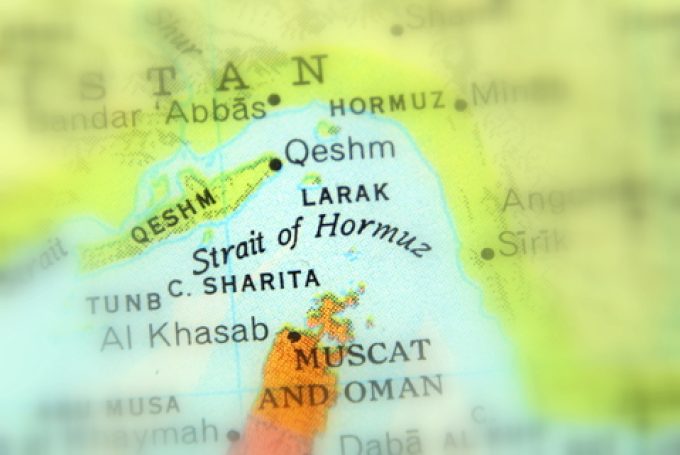
Forwarders told 载星 the terminals had become “extremely congested”, in part because of a “seasonal peak into this region related to the Hajj festival”, alongside the influx of transit cargo looking for ways to avoid Hormuz.
One forwarder said that administrative services related to customs clearance and cargo release at the shipping lines and ports were also being overrun with work they had been unable to clear.
A video supplied by one haulier shows trucks backed up outside the port waiting to collect and return containers, with the haulier claiming queues were around 5km long, and trucks were being forced to wait for some three days to get through.
Carriers are responding to the issues, with Maersk notifying customers that it will tranship via Khor Fakkan and Salalah, before moving them via land bridge to Sharjah and its intra-Gulf feeder network to get containers to their final destination in the Gulf.
This article is © The Loadstar. Reproduction, rewriting, or derivative use requires a license. Contact [email protected] for licensing enquiries.