Pangaon-1 Credit: Saif Powertec
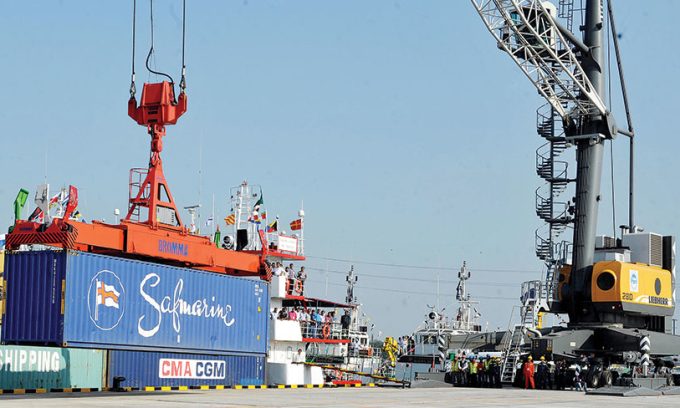
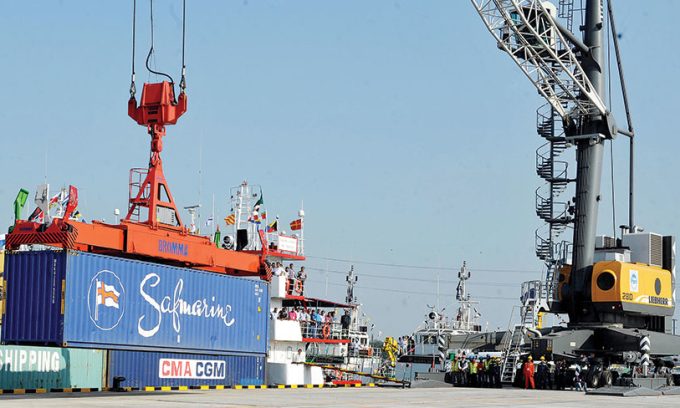
Bangladesh has scrapped the long-standing cap on foreign ownership of inland container depots (ICDs) and off-dock facilities, in a move aimed at attracting greater foreign direct investment into the country’s growing logistics and port sectors.
The measure was announced by finance minister Amir Khosru Mahmud Chowdhury during the presentation of the national budget on 11 June and will take effect from 1 July.
Under existing rules, foreign investors were limited to a maximum 49% stake in privately operated ICDs, requiring them to partner with local companies. From next month, overseas investors will be permitted to establish and operate ICDs with 100% ownership.
The government hopes the policy change will encourage greater participation from international port and logistics operators as Bangladesh seeks to expand its trade infrastructure.
There are currently 24 privately operated ICDs in Bangladesh, several of which already have foreign equity participation.
Global logistics and terminal operators, including DP World, Medlog, Red Sea Gateway Terminal (RSGT), APM Terminals and PSA Singapore, have either invested in or expressed interest in Bangladesh’s ports, terminals and off-dock facilities.
Addressing parliament, Mr Chowdhury said: “To facilitate trade and attract investment, I propose abolishing the existing provision that limits foreign shareholding to a maximum of 49% in private off-dock and ICD operations, thereby opening this sector equally to both domestic and foreign investors.”
Industry stakeholders broadly welcomed the decision, although several cautioned that further reforms would be needed if Bangladesh is to attract significant new investment.
Ruhul Amin Biplob, secretary-general of the Bangladesh Inland Container Depots Association (BICDA), said previous policies had been designed to ensure majority local ownership.
“The ICD Policy of 2016 of the Ministry of Shipping and the National Board of Revenue’s ICD Policy of 2021 ensured that 51% of any investment in an ICD came from local investors, while foreign investors could hold 49% or less,” he told 载星.
“Now that the cap has been removed, one may hope that foreign investors will become more interested in the ICD sector. Definitely, the decision will not feel palatable for the existing ICD operators.”
However, Mr Biplob warned that ownership liberalisation alone would not be enough to drive investment.
“Merely removing the cap on foreign investment will not pave the way for more foreign investment while other fundamental issues remain unresolved, such as ensuring smooth operational movement, freedom to determine service rates and maintaining standardised tariffs without outside pressure or intervention,” he said.
“As long as the overall investment climate is not conducive, foreign investors will think twice before making any investment.”
Capt Md Salah Uddin Chowdhury, chairman of the Bangladesh Shipping Agents’ Association (BSAA), also welcomed the move.
“I welcome the government’s decision to allow 100% foreign ownership in ICDs,” he said. “But I want similar facilities in all cases for domestic investors too.”
He added that the government should ensure foreign operators maintain international standards and work closely with local stakeholders.
“They have to be in good harmony with us and maintain a business-friendly environment,” he said.
The policy shift forms part of Bangladesh’s broader efforts to attract foreign capital and modernise logistics infrastructure as the country prepares for continued export growth and increasing cargo volumes.
Check out this week’s News in Brief podcast featuring James Hookham of the Global Shippers’ Forum.