
К Евразиасет – Nov 19, 2026, 1:00 PM CST
- Glaciers in the Caucasus are retreating particularly rapidly, with smaller glaciers facing near-total disappearance by 2100 under high-emissions scenarios.
- Rising temperatures and shrinking glaciers threaten long-term water supplies, hydropower generation, and agriculture.
- The ADB recommends improved glacier monitoring, early warning systems, water management, and climate-resilient farming practices.
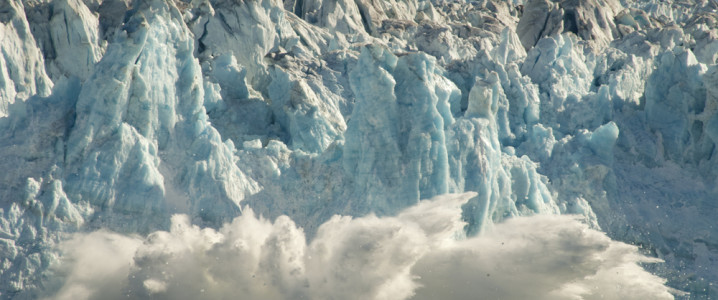
An Asian Development Bank analysis of four decades of weather patterns raises an alarm about the accelerating pace of receding glaciers in Central Asia and the Caucasus.
The ADB assessment, titled Glaciers to Farms Climate Risk and Capacity Assessment, evaluated glaciers and water-usage patterns associated with three river basins – the Naryn and Pyanj in Central Asia, and the Kura in the Caucasus. Drawing on historical data, the ADB generated “basin-specific projections focused on glacier, snow, and permafrost areas, resulting in a realistic basis for understanding future climate impact.”
The report noted that Caucasus glaciers are receding at the fastest pace. Average temperatures could be up to 5°C higher across both regions by 2085 than at present, it adds.
“Models project accelerated glacier loss and near-total disappearance of small Caucasus glaciers by 2100 under high emissions, alongside permafrost degradation, altered river flows, and reduced long-term natural water storage,” the assessment notes.
ADVERTISEMENT
The knock-on impacts of rising temperatures and glacier melt in Central Asia are wide-ranging. The report highlights increased risks of drought, landslides and glacial lake outburst floods. The capacity to monitor such risks is presently limited, it adds.
Water quantities and availability patterns are also projected to experience profound shifts. “Although some areas may see higher winter precipitation, overall water availability will decline as glacier-fed runoff diminishes,” the analysis states, going on to say that changing patterns “will erode water security, hydropower, and agricultural productivity by reducing the reliability of glacier-fed rivers and increasing flood-related infrastructure damage.”
The report makes wide-ranging recommendations, including improvements to monitoring and early warning capabilities, improvements to water-management systems, and the development of climate-resilient crops and more efficient agricultural practices.
Другие лучшие статьи с сайта Oilprice.com
Download The Free Oilprice App Today