
By Charles Kennedy – Nov 23, 2026, 12:30 PM CST
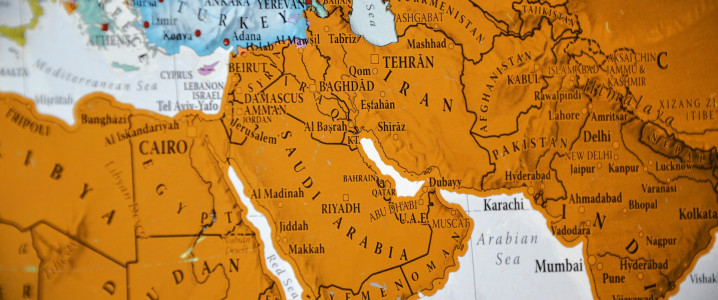
Pakistan and Iran are nearing the creation of a joint working group to boost energy cooperation, with a focus on electricity supply and electricity transmission projects, Pakistani outlet Business Recorder reported on Monday, quoting sources with knowledge of the matter.
The two allies are doing preparatory work to set up a joint working group on electricity and energy, expected to feature discussions on financing for the second phase of Pakistan’s Gwadar electricity transmission line that is planned to increase Iranian electricity exports to Pakistan.
As part of a potential joint working group, the two countries are also exploring easing the access of Iranian companies to the Pakistani electricity market, for Iranian investment, technology transfer, and participation in energy-related projects, according to Business Recorder’s sources.
Pakistan has kept close ties with Iran despite the sanctions on Iran’s energy sector, and has even brokered and held some indirect U.S.-Iranian negotiations this year.
ADVERTISEMENT
Pakistan, which relies heavily on Qatar’s term LNG supply for its gas demand, has negotiated with Iran the safe passage of some Qatari LNG cargoes through the Strait of Hormuz in recent months, even as LNG flows through the chokepoint remain severely constrained.
Pakistan relied mostly on Qatari term supply before the war. Since March, Islamabad has had to turn to expensive spot purchases, which have pushed its power generation costs higher.
Earlier this month, state-owned Pakistan LNG Limited (PLL) issued a tender to purchase two LNG cargoes from international suppliers for delivery in mid-December and early January.
Some, but surely not all, LNG cargoes from Qatar have reached Pakistan in recent months following direct assurances from Iran to Pakistan that it would be safe for the vessels to transit the Strait of Hormuz.
Term supplies from Qatar are cheaper than the spot LNG cargoes, for which Asian and European buyers compete ahead of the winter, driving up prices to four-year highs.
By Charles Kennedy for Oilprice.com
More Top Reads From Oilprice.com
Join the discussion | Back to homepage